Should You Use a Budgeting App? Only If You Pick the Right One
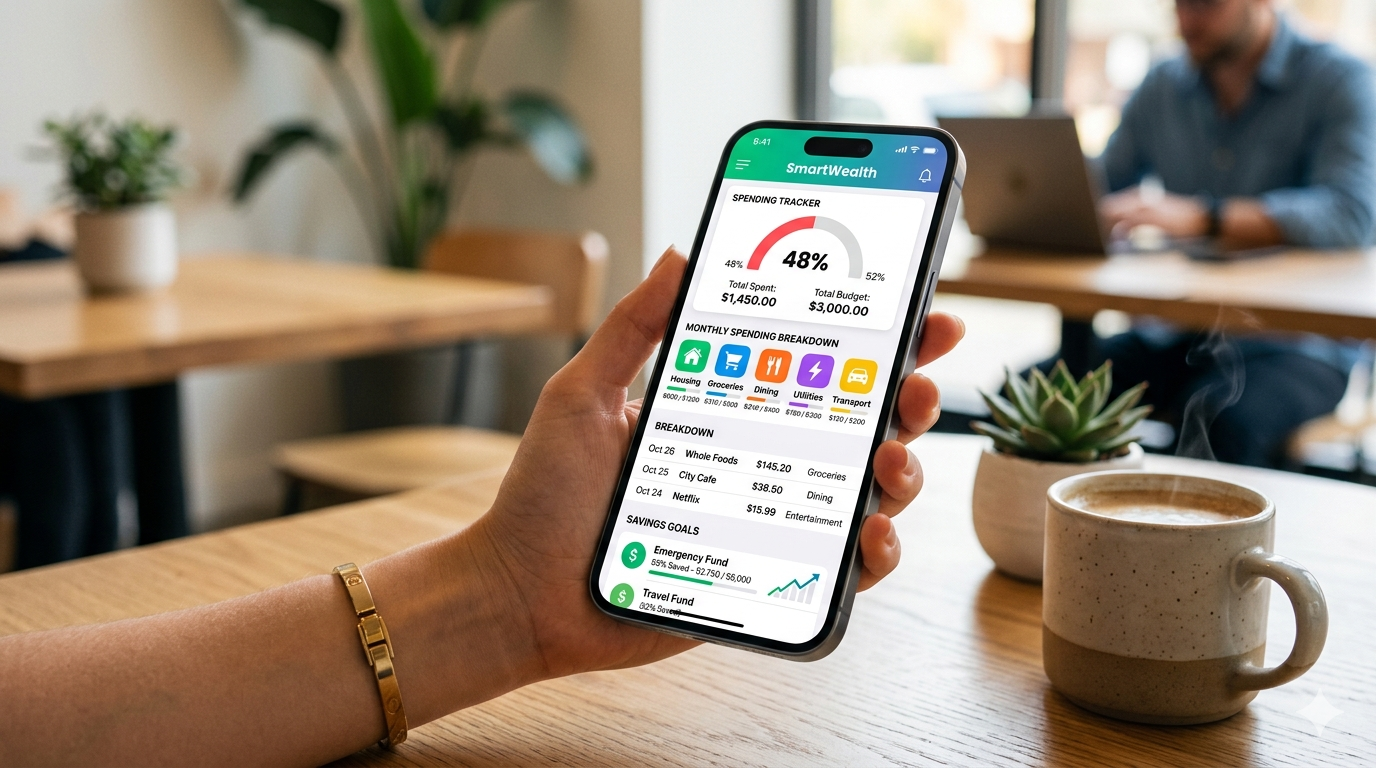
Seventy-four percent of Americans say they follow a budget. Only one in three actually tracks where their money goes. The gap between intention and action is where budgeting apps live—and where most people get the choice wrong.
The budget that works is not the most detailed one—it is the one you actually look at.
Why budgets fail without friction
Most people do not fail at budgeting because they lack discipline. They fail because manual tracking requires dozens of tiny decisions every single day—open the app, categorize the transaction, remember to log the cash purchase—and every decision is a chance to quit.
A budgeting app removes most of that friction by connecting directly to your bank account and doing the categorization for you. Automation is the difference between a spreadsheet you abandon in February and a system that runs quietly in the background for years.
Match the app to how you fail
There are three types of people who need a budget, and they need completely different tools.
If you overspend because you lose track of what is left, you need envelope budgeting—apps like YNAB or Goodbudget make you assign every dollar a job before you spend it, so you cannot accidentally blow your grocery money on takeout.
If you know your budget but lack accountability, you need something with guardrails—apps like Rocket Money or PocketGuard set spending limits and send you alerts when you are about to cross them.
If your budget is fine but money just seems to disappear, you need a tracker—Mint or Copilot will show you exactly where the leaks are without forcing you into a rigid system. The wrong app will feel like homework. The right one will feel like it is reading your mind.
When to pay for it
Free apps like Mint or NerdWallet are enough if you just want visibility—they will show you your spending by category and flag unusual purchases.
Paid apps like YNAB, which costs around eighty-nine dollars a year, or Copilot, which runs about twelve dollars a month, make sense when you need the app to change your behavior, not just report it. The features that cost money—real-time syncing, goal tracking, dedicated support, and envelope systems that stop you from overspending—are the ones that create accountability.
If you have ever overdrafted, carried a credit card balance you did not plan to, or wondered where two hundred dollars went, a paid app will pay for itself in the first month. If your finances are stable and you just want a dashboard, free is fine.
This article is for educational purposes only and does not constitute financial advice. Always do your own research before making any investment decisions.
If budgeting is step one, our article on how to build an emergency fund walks you through what to do with the money you save.