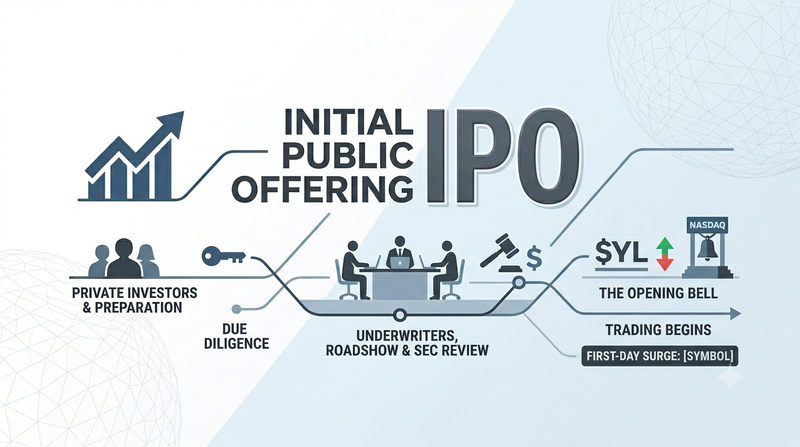
How IPOs Actually Work Behind the Scenes
When a company goes public at $20 per share, retail investors often find it trading at $35 by the time their brokerage
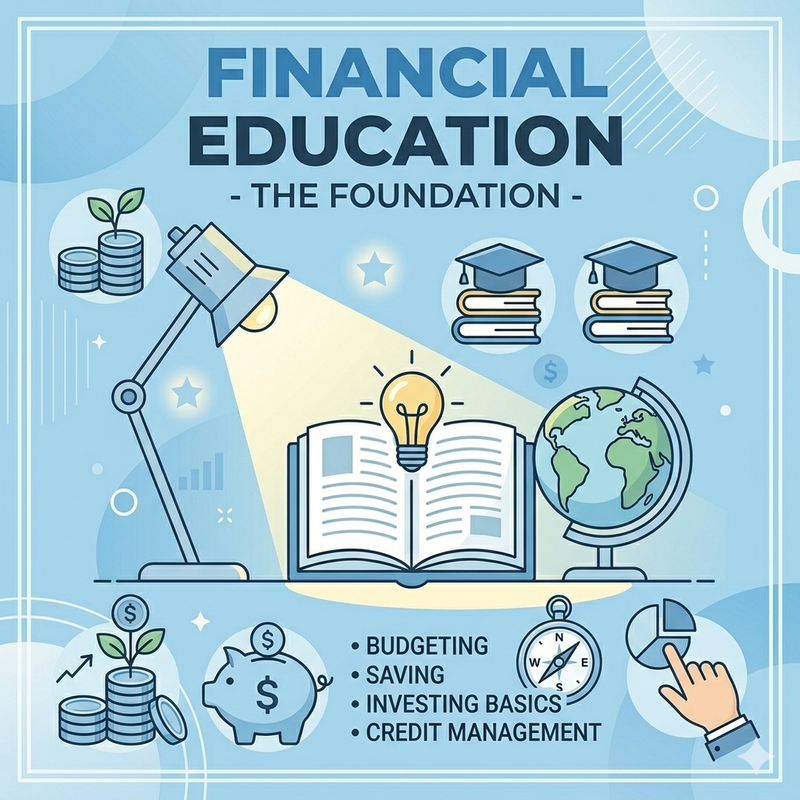
The vocabulary of money — fluently, gently. Each piece takes one idea (compound interest, risk, ETFs, taxes) and walks through it like a friend who happens to know.
When a company goes public at $20 per share, retail investors often find it trading at $35 by the time their brokerage
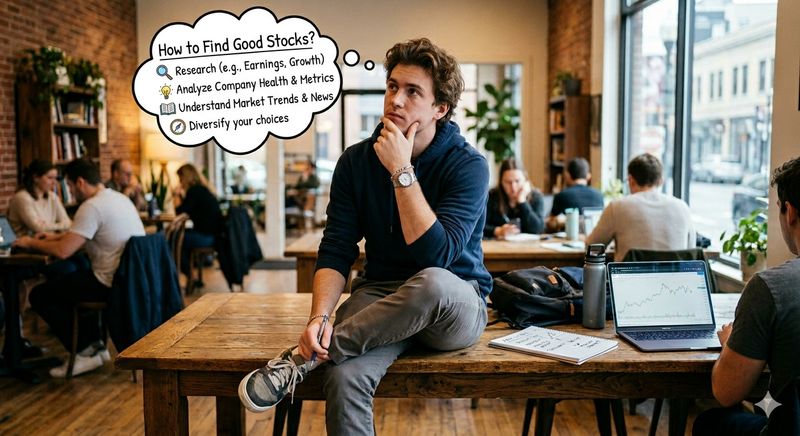
You open your brokerage account for the first time and stare at a list of 4,000 publicly traded companies. You have
A stock closes at $50 on Monday and $50 on Tuesday. Same price, right? Not quite. One day saw fierce buying that
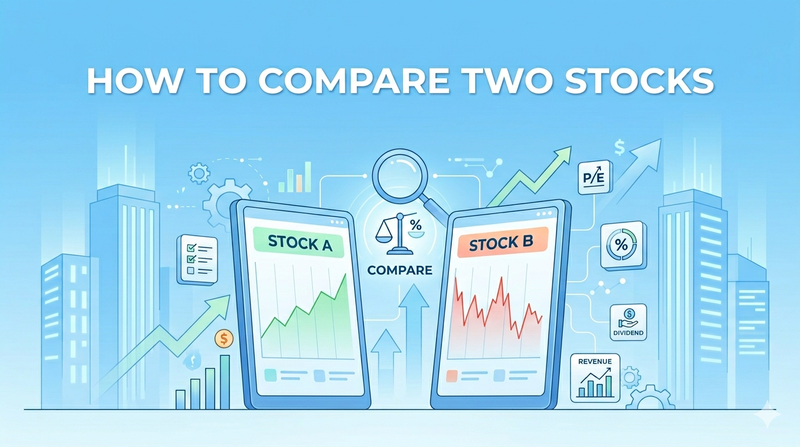
You see two electric car companies. One trades at 80 times earnings, the other at 12. The cheaper one must be the
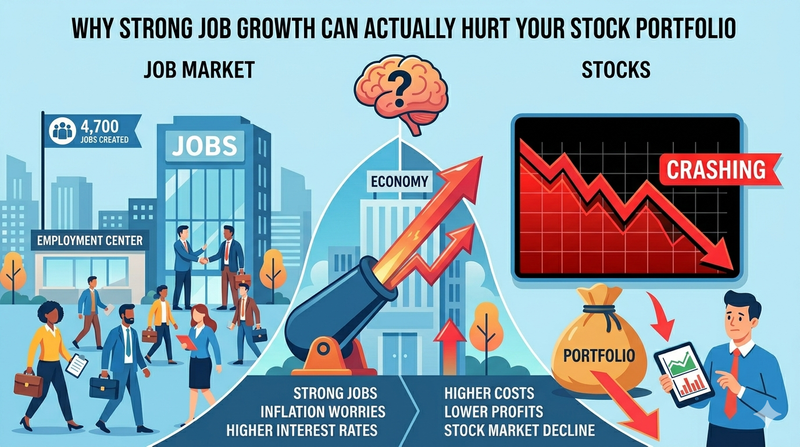
The US economy added 172,000 jobs in May 2026, and unemployment sits at a healthy 4.3%. That sounds like great
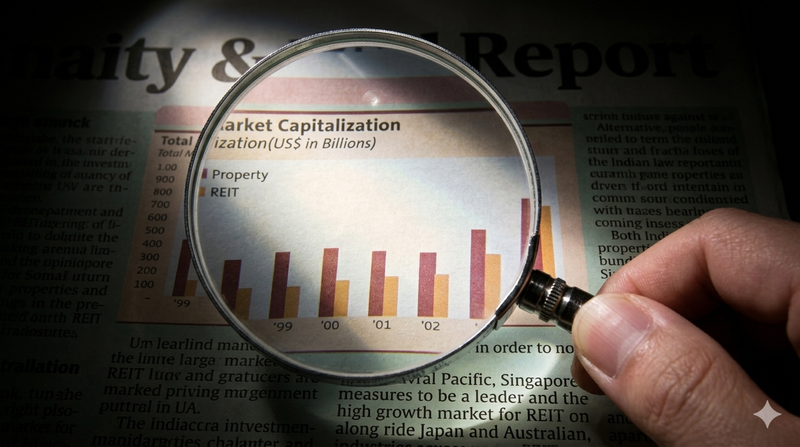
You can calculate the market cap of Apple in three seconds with two numbers. But knowing what that number actually means is
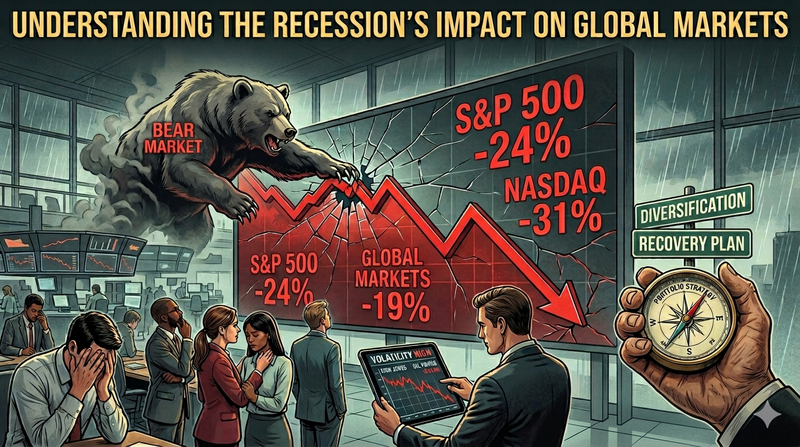
Oil just crossed $100 a barrel. Inflation fears are climbing. And somewhere in the back of your mind, a question is forming:
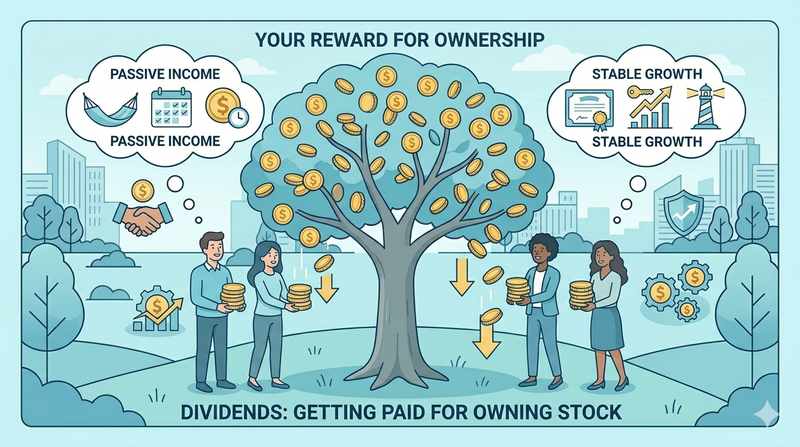
You buy a stock. You do nothing. Four times a year, money appears in your brokerage account. That's a dividend—
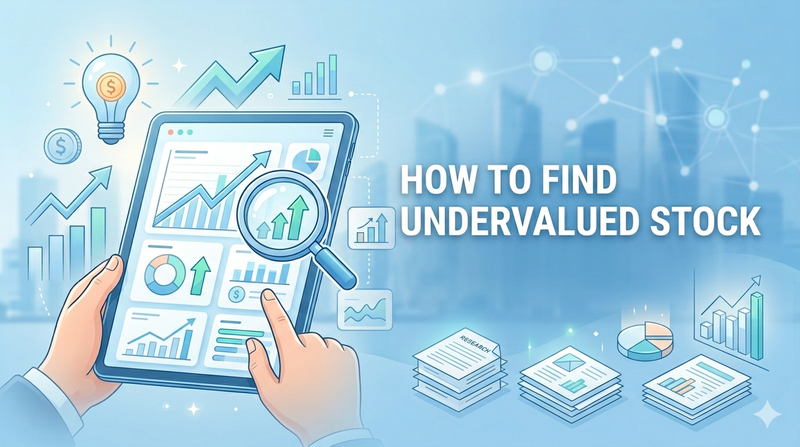
When both signals fire together, you have a company that is financially stressed AND overpriced. Step one: Screen for low valuation metrics
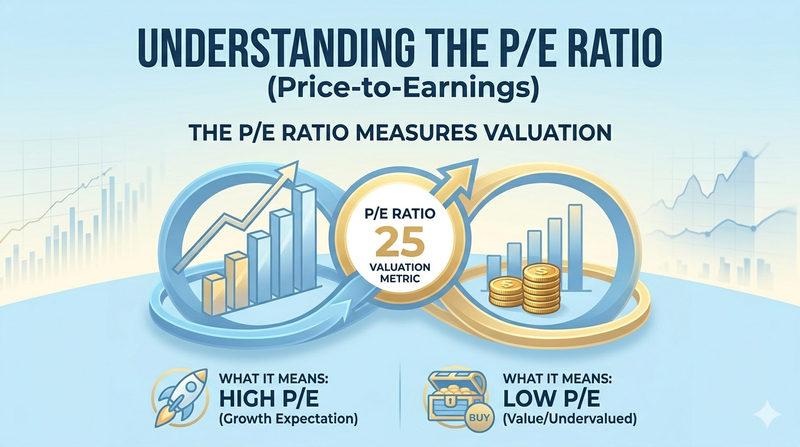
A high P/E might signal overvaluation, or it might reflect justified optimism about a company's growth prospects — you cannot
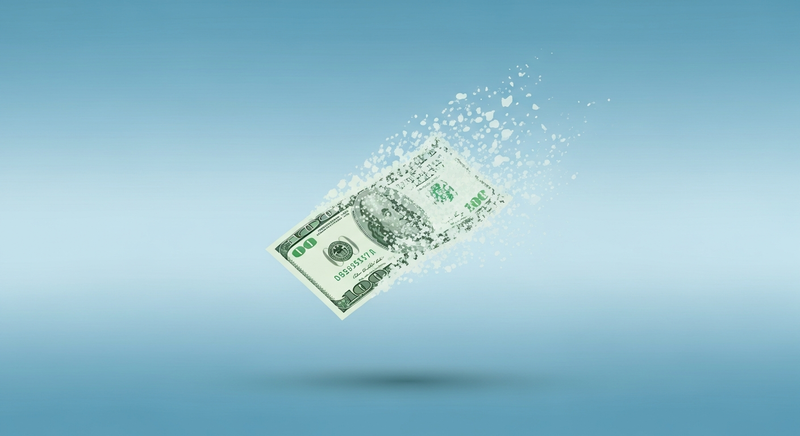
If inflation ever outpaces your rate, your real return goes negative, and you're losing ground. Your savings balance is growing