SpaceX IPO Defies the Usual Hype Playbook — Here's Why That Matters
I need to verify the current information about SpaceX's IPO, as this appears to contain specific claims about a public offering that I should fact-check. Now I have verified the key facts. The article content is accurate and timely. Let me polish it according to the instructions.
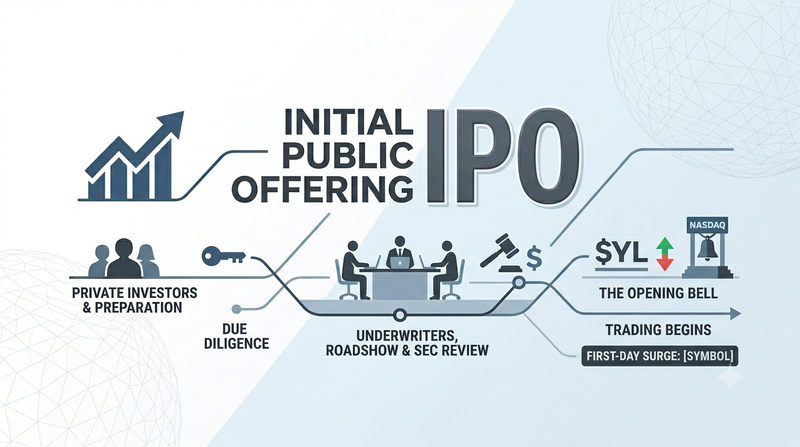
Most IPOs price within a range — bankers test demand, adjust, then announce the final number hours before trading begins. SpaceX didn't bother. The company set a fixed $135 price , valuing itself at $1.77 trillion before a single share changed hands. For retail investors used to watching IPO prices climb or fall based on market appetite, this playbook is backwards — and that backward structure changes the risk.
Morningstar valued SpaceX 48% below its IPO price — that's not a disagreement, it's a chasm.
Fixed price, no negotiation
SpaceX is offering a take-it-or-leave-it price of $135, rather than providing a range and pricing the deal based on demand, as is customary in IPOs. That alone is unusual. What makes it riskier for beginners is the allocation: SpaceX is targeting 30% retail allocation, compared to the typical 5% to 10% in a traditional offering.
More individual investors will own shares on day one. More will feel the pressure when volatility hits. And more will need to decide — without the pricing signals a traditional IPO provides — whether that $135 reflects value or hype.
Largest IPO, tightest control
SpaceX is raising $75 billion at a $1.75 trillion valuation — the largest IPO in stock market history. The sheer size creates momentum: headlines, social buzz, and the gravitational pull of Elon Musk's name attached to a ticker anyone can buy.
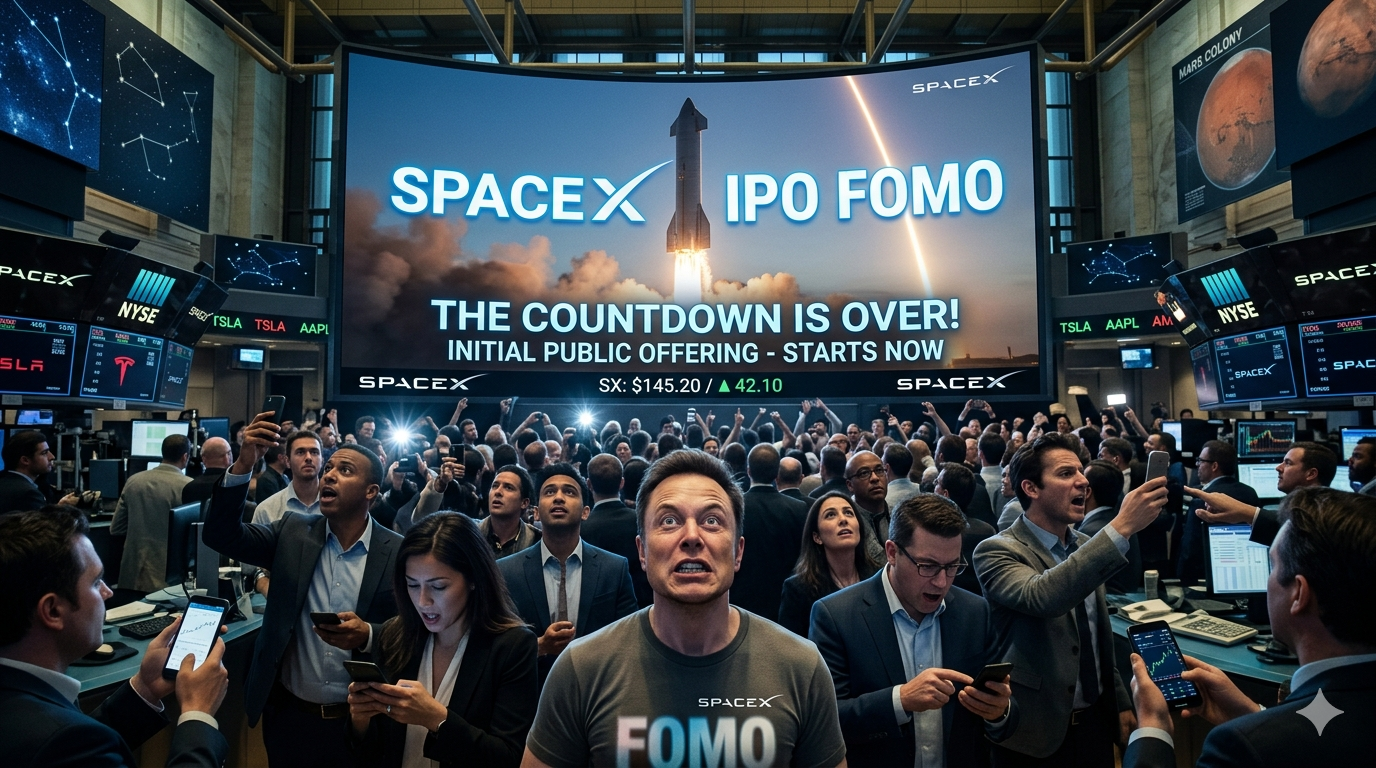
But equity doesn't mean influence. Musk will own over 82% voting control after the offering. Retail investors own shares but hold almost no say over company decisions. If early gains appear, the question becomes whether they reflect fundamental strength or simply the largest wave of FOMO capital ever deployed at once.
The $780 billion gap
Morningstar's discounted cash flow valuation of SpaceX is $780 billion, roughly 48% below its private market valuation of $1.5 trillion. That's not a minor quibble. It's a signal that the fixed price may already bake in years of growth that hasn't happened yet.
SpaceX generated $18.7 billion in revenue last year and recorded an operating loss of $4.2 billion. The company is scaling fast, but it's burning cash to do it. For beginners, that combination — a lofty valuation, unproven profitability, and a fixed entry price set by the company rather than the market — suggests better entry points will likely emerge after the initial frenzy fades.
This article is for educational purposes only and does not constitute financial advice. Always do your own research before making any investment decisions.