Tesla Robotaxis Roll Into Texas as Investors Question the Road Ahead
Tesla is making real progress on hardware and expanding geographically, but the gap with Waymo in fleet scale, regulatory approvals, and operational maturity is still measured in years, not months.
Twenty-five vehicles. Three cities. Wait times pushing half an hour. Tesla just launched unsupervised robotaxi rides in Dallas and Houston, but the numbers behind the headline are forcing investors to ask a blunt question: is this a robotaxi network or just a very expensive prototype?
From safety drivers to empty seats
Tesla launched its robotaxi service in Austin in mid-2025 with safety monitors riding shotgun. By January 2026, those monitors disappeared from a small portion of the fleet, marking the company's first truly driverless rides. In April, Tesla expanded to Dallas and Houston with no human backup from day one.
The company now plans to reach seven cities by mid-2026, targeting Phoenix, Miami, Orlando, Tampa, and Las Vegas next. But the scale remains tiny — just 25 unsupervised vehicles across all three Texas cities as of late April, with wait times in Austin sometimes topping 30 minutes.
Waymo owns the map
Waymo delivers over 500,000 paid rides per week across 11 cities using roughly 3,000 vehicles, and the company is targeting one million weekly rides by year-end. Tesla, by contrast, operates in three cities with a couple dozen unsupervised cars.
The regulatory gap is just as wide. In California, Tesla has logged zero autonomous test miles since 2019 and holds only a limousine permit in the Bay Area, not an autonomous vehicle authorization. Texas has lighter rules, which is why Tesla launched there first. Waymo spent years accumulating over 13 million test miles and seven approvals before going commercial.
Cybercab, economics, and the waiting game
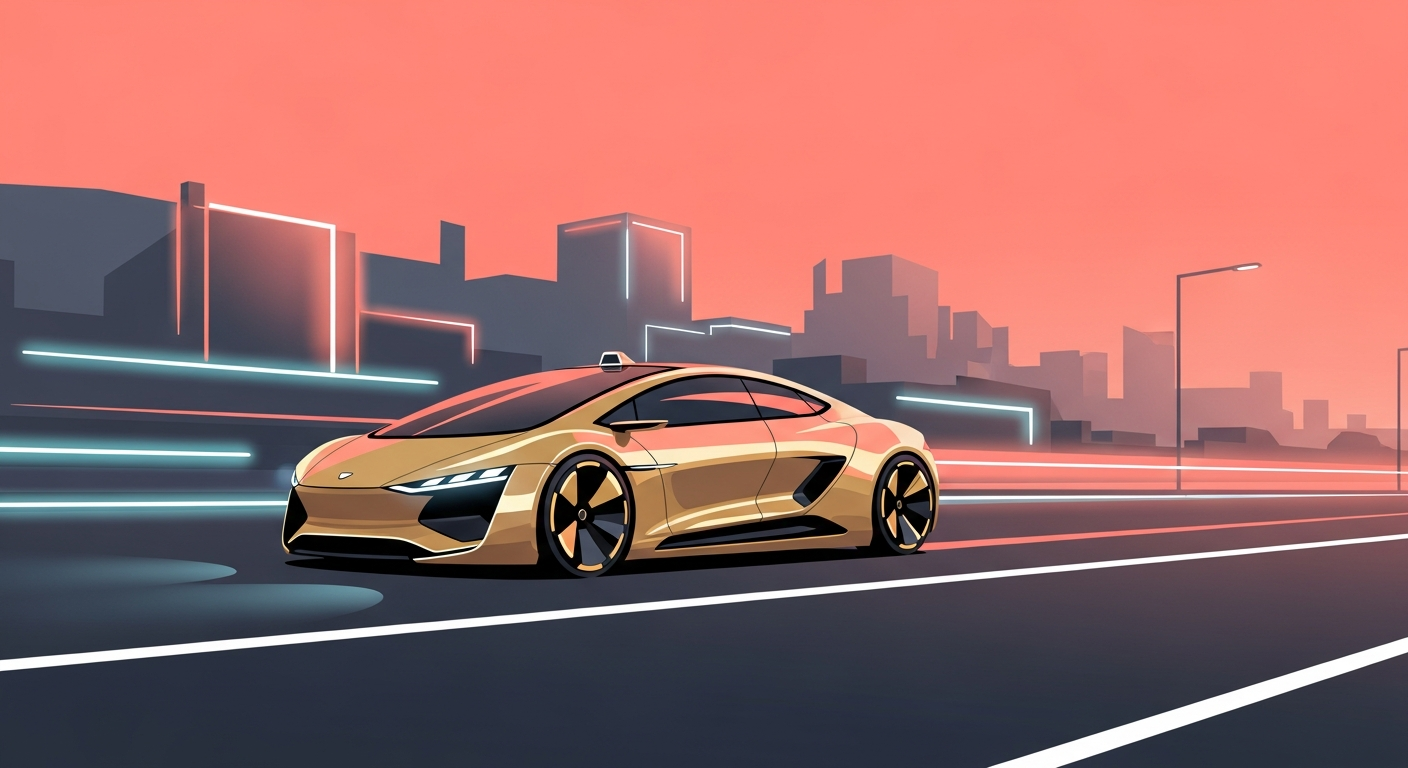
Tesla began producing its purpose-built Cybercab in April 2026, with over 70 units spotted at the Texas factory by mid-May. The two-seat vehicle has no steering wheel and is designed to be the backbone of the network at a target price under $30,000.
But every Cybercab rolling off the line is waiting for the software to catch up. On the April earnings call, CEO Elon Musk admitted robotaxi revenue would not be material in 2026. Meanwhile, the business model remains untested at scale. Pricing in Texas is roughly 50 percent cheaper than Waymo, but profitability depends on fleet size, utilization rates, and whether the technology can handle the complexity Waymo already navigates daily.
💡 The scale gap
Waymo operates 3,000 vehicles across 11 cities. Tesla has 25 unsupervised cars in three Texas cities.
📌 The bottom line
Tesla is building hardware fast, but Waymo's operational lead is measured in years. The question for investors is whether Tesla's camera-only bet and manufacturing muscle can close a gap that first-movers rarely surrender.
This article is for educational purposes only and does not constitute financial advice. Always do your own research before making any investment decisions.
Want to go deeper? Explore our News articles for more.